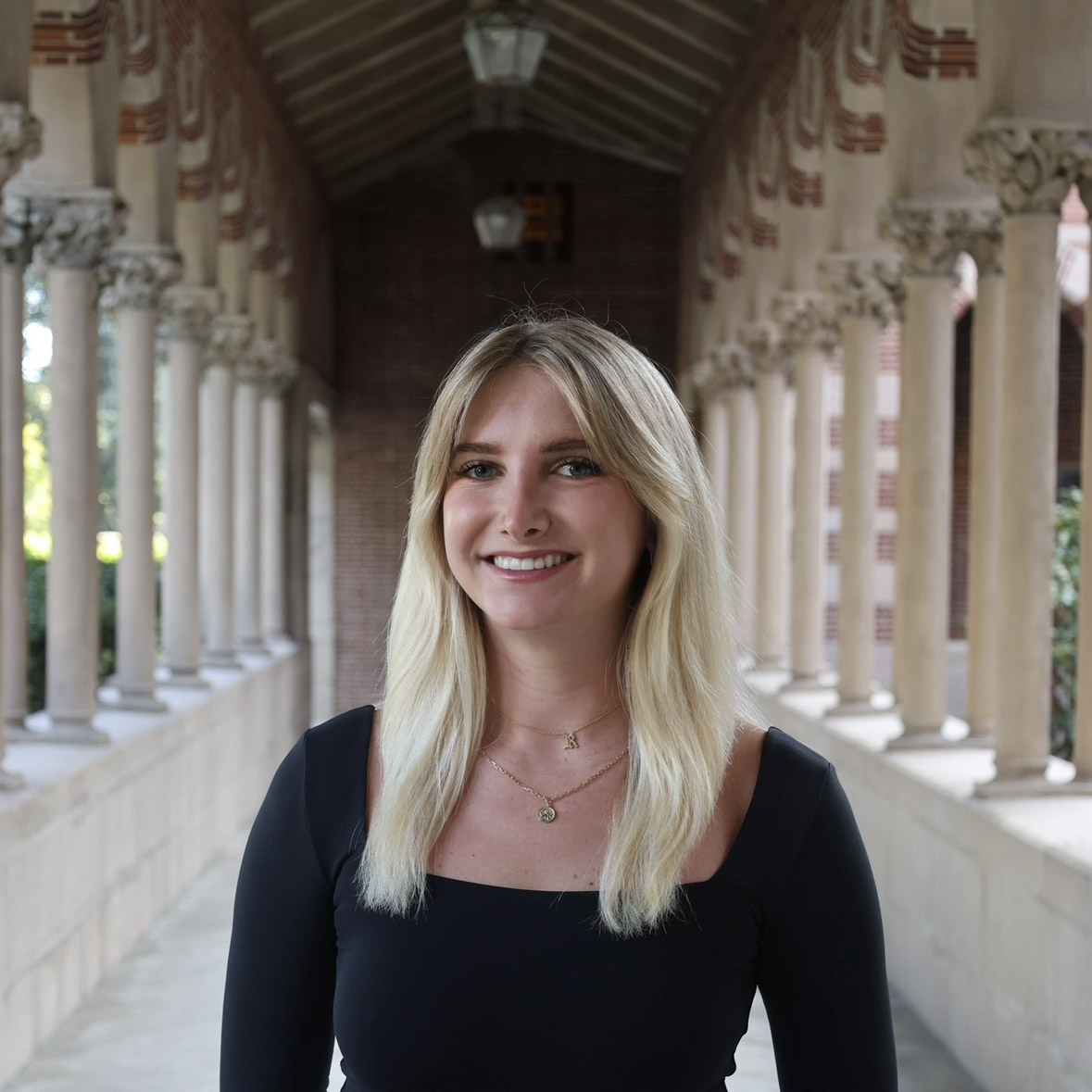
Meet Regan
Behind the Onboarding: How Regan gets clients up and running on Scaler
A Brief Introduction
I studied Environmental Studies and NGOs & Social Change before moving to NYC, where I then worked in affordable housing and commercial real estate. Scaler has let me combine that background and passion with work that helps clients move efficiently and make tangible impacts on the built environment. When I’m off the clock, I’m usually getting as many steps around the city as possible or finding the next best Brooklyn venue for dance music.
My Journey
What made you want to join Scaler at this stage, in a role where you own the relationship day to day?
I wanted a challenging environment where you have to push yourself to a high level of client ownership. At Scaler, I get to do that on a global scale, working with clients and their challenges from the first question through to the solution. I get to see the data, solve the problem, talk to the client, and proactively work with them to create the best experience possible. That level of responsibility makes you care deeply about the client’s insights and, ultimately, want to see their success on the platform.
Working with accounts across APAC, EMEA, and North America means I may start the day with one region and end it with another. I’ve learned there is no single way to run an account.
My Work
What’s something you’ve learned about getting a client from signing to live?
The earlier a client gets involved, the more they tend to get out of the platform. Asking the right questions upfront about how they want to structure their data and what they actually want to see shapes everything that comes after.
Since client priorities vary so much, understanding why they decided to join Scaler in the first place is often the best guide for getting them live quickly. Some are focused on business planning, others on sustainability reporting, financial data coverage, tenant engagement, or building customized outputs for their team. Knowing which one you’re solving for changes how you set the whole thing up.
What do you work on day to day?
My days are usually a mix of client conversations, data, and problem solving. I’m onboarding clients, answering questions over email, sense-checking data, testing the platform, and figuring out where something isn’t quite working as expected.
A lot of it is detective work. It might be figuring out why two sources show different numbers, looking into a sudden change in consumption, or understanding why a report isn’t showing what a client expects. I like being able to help with those details as well as the bigger picture of what the client is actually trying to accomplish.
What’s one unexpected skill you’ve had to use here?
Learning how to quickly transition between being a student and a teacher. Every day I learn something new about the platform, the industries we sit within, and the pain points of our clients. At the same time, I'm teaching clients how to use the platform and translating vague concerns into clear descriptions our internal team can solve quickly. I know I've done my job well when a client becomes self-sufficient on Scaler and solutions can be reached without needing a meeting.
My Perspective
What’s one thing you believe about this space?
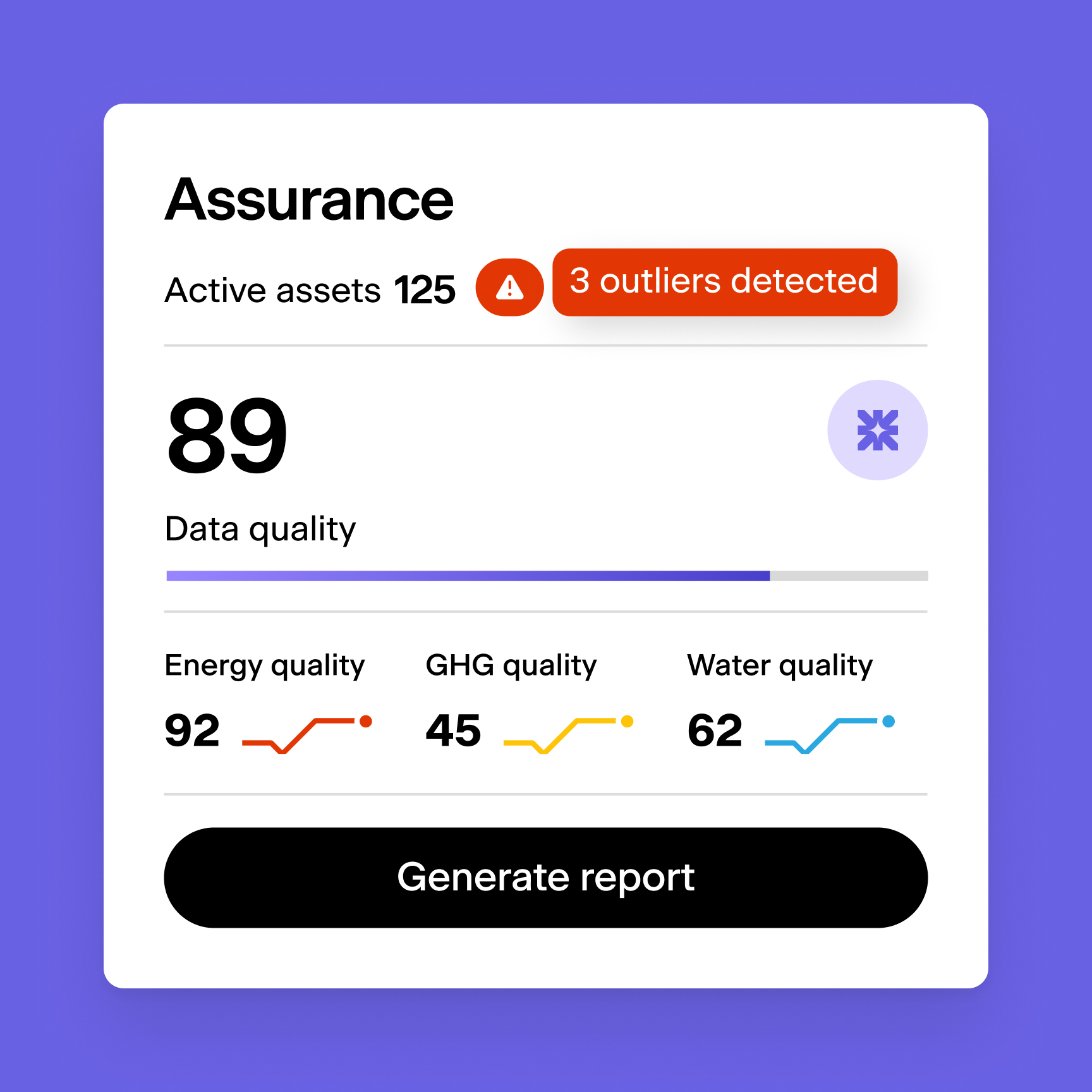
I think messy data isn’t always something that just needs to be cleaned up. Sometimes it tells you something about how a business operates or where information usually gets lost. If data suddenly stops across a few assets, for example, it could be a sign that ownership or responsibility changed, rather than that something simply broke.
The assets people pay the most attention to tend to have the cleanest data, so it's easy to wonder what’s happening in the parts of a portfolio that get less attention. The more useful question might not be how to fix the data, but why it looks that way in the first place.
What impact do you hope to help create in the years ahead?
I’m starting to see that the problems clients face may be more shared than they realize. Looking across different portfolios, I’ve noticed some of the same challenges coming up, even when each client feels like their situation is uniquely complicated. I’d love to help make those commonalities more visible, so we can learn from what’s already been figured out instead of everyone having to start from scratch. Ultimately, I want to help give people more time to focus on the decisions that can actually improve their buildings.