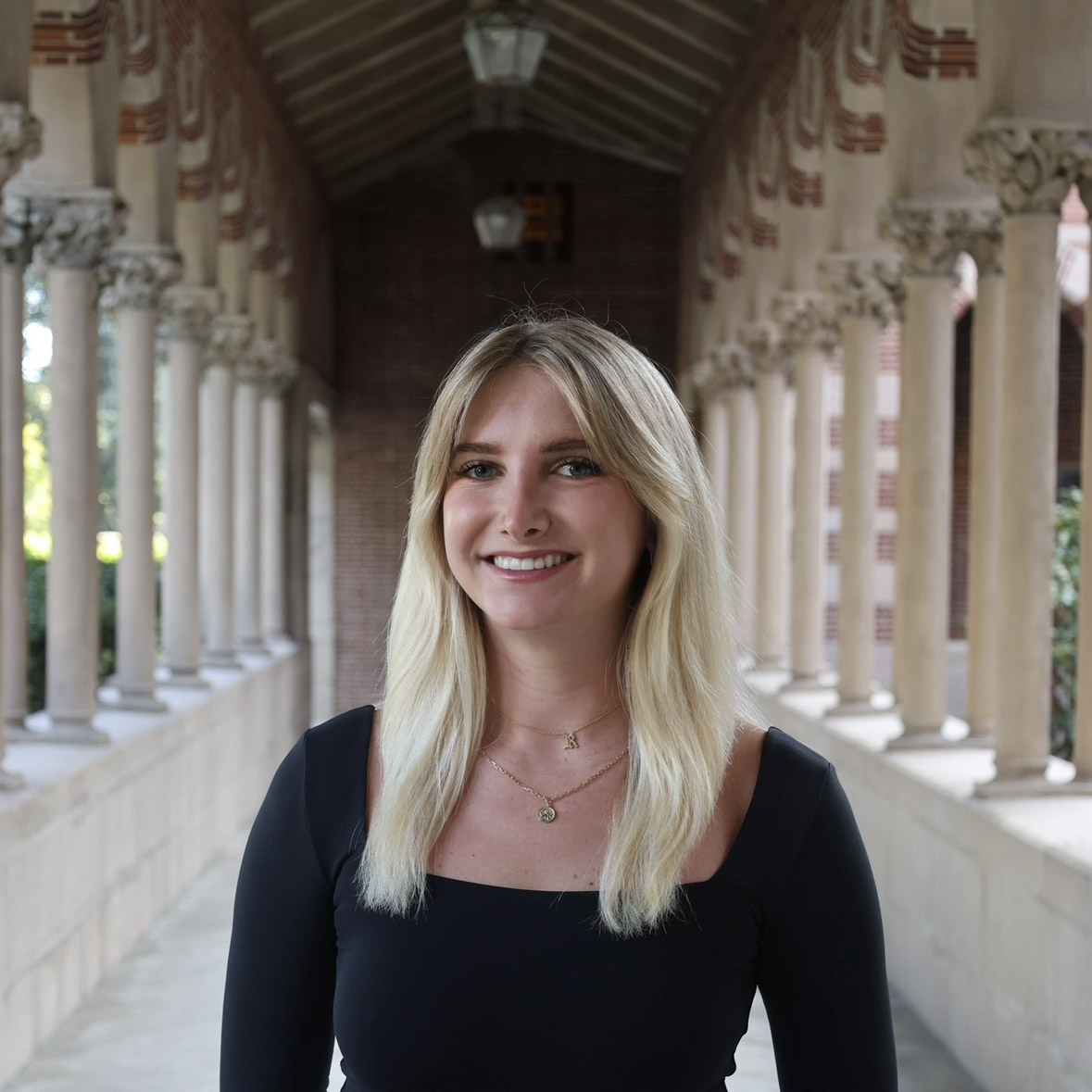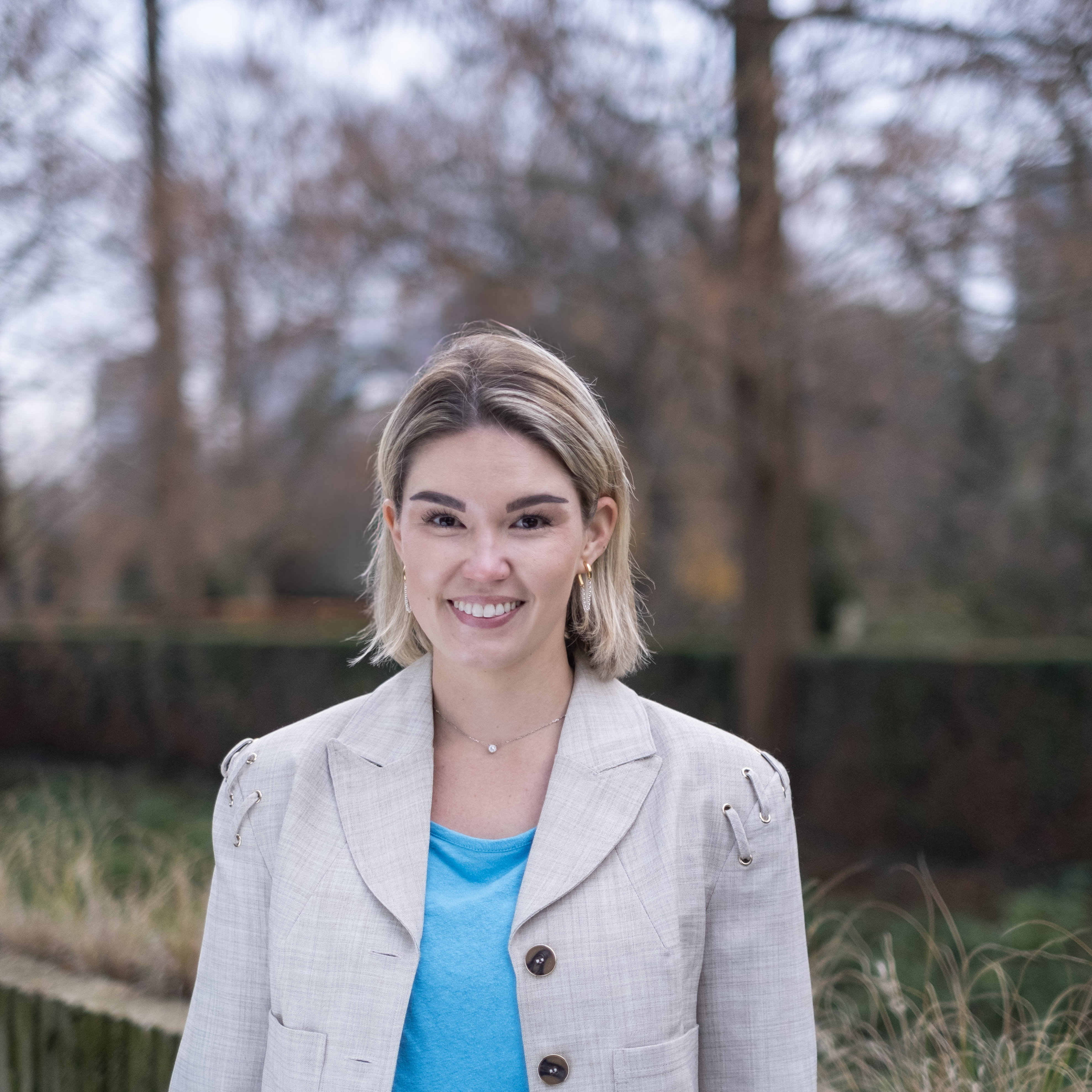
Meet Nina
From confusion to clarity: How Nina helps teams trust their data and stay focused on what matters
Nina has been working at Scaler for a year and a half. With a background in product design across complex systems and a personal history rooted in real estate, she brings a unique ability to connect sustainability, design and the built world. Her late father, mother and brother all work in real estate, so understanding buildings and portfolios is not new to her. She grew up around the industry, which gives her an instinctive sense for how asset managers and property teams think, work and make decisions. Paired with her experience designing clear workflows in fast moving product environments, she knows how to turn scattered sustainability data into tools that teams can trust.
Introducing Nina
Nina’s career has always focused on simplifying complexity. Before joining Scaler she worked across multiple product teams at once, owning the full design cycle from research to decisions to delivery. That experience taught her how to navigate unclear problem spaces, find the real issue and create alignment when different stakeholders see things differently. She is driven by understanding real user needs and designing solutions that reduce friction rather than add to it.
About Me
- What drew you to join a small sustainability tech company like Scaler?
I wanted to work on a problem that actually matters and where the quality of the product directly affects the outcome. Sustainability and real estate are both complicated spaces, and most teams still rely on inconsistent spreadsheets and manual processes. Scaler is small enough to move fast but focused enough to work on something meaningful. It felt like the right mix of impact, complexity and ownership.
- Coming from your background, what has surprised you most about working here so far?
The scale of the data problem. I knew sustainability data was messy, but I did not expect the level of fragmentation that exists across most portfolios. Different formats, different definitions and a lot of guesswork. It has made me realize how important clear workflows and good design are when you want teams to trust their data and actually act on it.
My Work and Perspective
- In a small team, everyone wears multiple hats. What is one unexpected skill you have had to use here?
Translating abstract or conflicting inputs into decisions that can be built. In a small team there is not always a clear source of truth, so I often find myself creating structure when none exists. That means shaping data collection workflows, defining patterns, pushing for consistency and figuring out how to integrate AI into our validation and insights in a way that feels natural to users.
- When you are not solving tough problems, what do you turn to for energy or inspiration?
Usually food, travel or exploring new places. I get a lot of energy from good restaurants, cafés and discovering cities at my own pace. It helps me reset and come back to work with a clearer mind.
- What excites you about the future of sustainability tech, and how does Scaler fit into that picture?
Real estate has huge climate impact potential, but real progress will only happen if teams have accurate data and tools that are easy to use. I am excited about technology that focuses on clarity, automation and practical action rather than glossy dashboards. Scaler fits right into that space. The platform is built to handle complexity in a way users can understand, and it supports the shift from reactive reporting to real decision making. That is the direction the industry needs to go.